
 020 3744 3778
Embark on Your Green Thumb Journey: Essential Tips for Beginners
Posted on 06/06/2025
Embark on Your Green Thumb Journey: Essential Tips for Beginners
Are you dreaming of vibrant blooms, home-grown vegetables, and a lush backyard paradise? Starting your green thumb journey can be incredibly rewarding. Whether you're a complete newcomer or have dabbled in plant care before, this comprehensive guide shares indispensable beginner gardening tips to help you cultivate healthy, thriving plants with confidence. Dive in and discover how turning your thumb green is truly within reach!
Why Start Your Green Thumb Adventure?
Gardening is more than just a hobby - it's a gift that keeps on giving. Beyond producing delicious fruits and vegetables and beautiful landscapes, nurturing plants offers significant mental, emotional, and environmental benefits. Scientific studies reveal that spending time outdoors and engaging with nature reduces stress, boosts mood, and improves overall well-being. Plus, gardening helps create a sustainable lifestyle by promoting pollinator-friendly spaces and contributing to a greener planet.
Setting the Right Foundation: Planning Your First Garden
Before you grab your trowel and seeds, a bit of planning will make your journey much easier and more enjoyable. Here are the main steps every green thumb beginner should follow:
Assess Your Space and Sunlight
- Observe the sunlight: Most plants require at least 6 hours of direct sunlight each day. Watch your available space throughout the day to see how much sun it gets.
- Take note of your climate: What is your growing zone? Do you experience harsh winters or scorching summers? Understanding your region's conditions is key to choosing suitable plants.
- Choose your location: Container gardens work well for small patios or balconies, while raised beds or in-ground gardens are best for larger spaces.
Pick the Right Plants for Beginners
Some plants are more forgiving for beginners. As you embark on your green thumb journey, start with varieties that don't require expert-level care. Consider these popular, easy-to-grow options:
- Herbs: Basil, mint, parsley, and chives thrive in containers and window boxes.
- Vegetables: Lettuce, radishes, carrots, and cherry tomatoes are extremely beginner-friendly.
- Flowers: Marigolds, sunflowers, zinnias, and pansies offer color and minimal fuss.
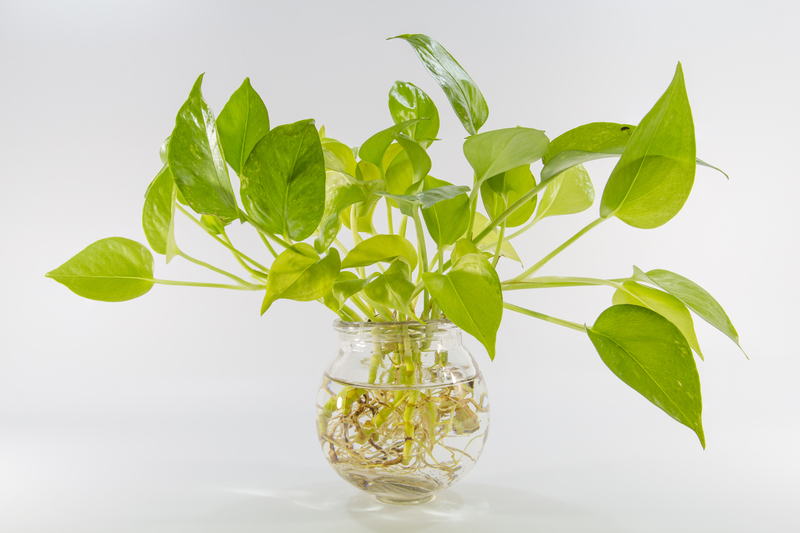
- Houseplants: Snake plants, pothos, succulents, and spider plants are nearly indestructible.
Bonus tip: Visit a local nursery for tailored advice and to see what grows well in your area!
Essential Tools Every Beginner Gardener Needs
Don't be overwhelmed by the wall of gardening gizmos at your local store. Beginners only need a handful of tools to get started. Invest in these must-haves:
- Trowel: Perfect for digging and transplanting small plants.
- Pruning shears: Keep growth in check and promote healthy branches.
- Garden gloves: Protect your hands while working with soil and prickly stems.
- Watering can or hose: Ensure your plants receive the right amount of moisture.
- Rake: Use for clearing debris and smoothing soil.
Tip: Buy quality tools for durability and ease of use. Well-made tools can last a lifetime!
Understanding Soil: The Foundation of a Successful Garden
If there's one secret to unlocking your beginner green thumb, it's this: healthy plants start with healthy soil. Here's what you need to know:
- Soil Types: There are three main soils - sand, clay, and loam. Loam is ideal but can be achieved by improving sandy or clay soil with compost.
- Soil pH: Most vegetables and flowers prefer a pH of 6.0 to 7.0. At-home test kits can help you monitor and adjust accordingly.
- Amend with Compost: Mixing in organic matter (like compost, leaf mulch, or worm castings) dramatically improves fertility, moisture retention, and plant health.
For container gardening, choose a high-quality potting mix over garden soil for best results.
Watering Wisely: Nurture, Don't Drown
Overwatering is a common mistake among new gardeners. Plants need water, but roots also need oxygen. Here's how to get the balance right and develop your green thumb:
- Check the soil: Insert your finger about an inch into the soil. If it's dry, it's time to water.
- Water deeply: It's better to water less often but soak the soil to encourage deep root growth.
- Morning is best: Watering early allows plants to drink up before the heat and reduces risk of disease.
- Avoid the leaves: Wet foliage invites mildew and pests. Always water the base of the plant.
Pro tip: Mulch your soil with straw or bark to lock in moisture and suppress weeds.
Fertilizing: Feeding Your Plants for a Thriving Garden
Nutrient-rich soil is the key to lush growth. As you start your green thumb journey, get familiar with plant nutrition:
- Use organic fertilizers: Options like compost, manure, or worm castings are eco-friendly and gentle for beginners.
- Follow the instructions: Over-fertilizing can harm plants, so always follow package guidelines.
- Time it right: Feed during active growing seasons (spring and summer).
Advanced tip: Rotate crops and add compost regularly to maintain long-term soil health.
Pest and Disease Management for New Gardeners
Nobody wants to see their hard work destroyed by insects or disease! As you develop your beginner green thumb skills, learn to recognize common garden issues:
- Aphids: Tiny bugs clustered on new growth; rinse off with water or introduce ladybugs.
- Slugs and snails: Look for slime trails and holes in leaves; bait, hand-pick at dusk, or use barriers.
- Mildew and fungus: White patches on leaves indicate too much moisture. Prune affected leaves and improve airflow.
- Wilting or yellowing leaves: Often due to overwatering or root rot. Cut back on water and ensure good drainage.
Natural remedies like neem oil, insecticidal soap, and homemade garlic sprays are safe and effective for beginner gardeners.
Seasonal Gardening Tasks: What To Do and When
Successful gardening is all about timing. Here's a handy breakdown of essential tasks each season as you start your green thumb journey:
- Spring: Prepare beds, start seeds, and plant cool-weather crops.
- Summer: Water consistently, mulch, and harvest vegetables as they ripen.
- Fall: Plant bulbs, transplant perennials, and clean up garden debris.
- Winter: Take a break! Dream, plan your next garden, and maintain tools.
Pro tip: Keep a gardening journal to track what worked, record plant varieties, and schedule future plantings.
Expert Tips for Nurturing Your Green Thumb
Ready to level up your gardening skills? These simple expert strategies will transform you from a novice to a confident plant parent:
- Start small: It's tempting to plant everything at once, but a few containers or a single bed lets you learn without overwhelm.
- Label plants: Use tags or markers so you remember plant types and care requirements.
- Stay curious: Join local gardening clubs, follow online gardening forums, and keep reading!
- Embrace mistakes: Every gardener makes them. Use mishaps as learning experiences.
- Enjoy the process: Remember, watching your plants grow and change is part of the magic!
Frequently Asked Questions About Gardening for Beginners
How do I know which plants will grow in my area?
Use the USDA Hardiness Zone Map or ask your local nursery. Regional gardening guides can also help you choose plants suited to your climate.
Do I need to use chemicals or pesticides?
No - many experienced gardeners manage pests and diseases organically with beneficial insects, companion planting, neem oil, and row covers. Safe, natural methods protect your health and the environment.
How often should I water my garden?
There is no rigid rule. Water needs vary by plant, weather, and soil. A good habit is to water deeply 1-3 times per week and adjust as needed, always checking the soil moisture first.
What if I don't have outdoor space?
Container gardening, windowsill herb gardens, and indoor houseplants are fantastic ways to develop your green thumb indoors. Hydroponic kits are another modern, space-saving option.
When is the best time to plant seeds?
Most seeds should be sown in early spring after your area's last frost. Follow the packet instructions for temperature and timing. Hardy crops like peas and spinach can go in earlier, while tender varieties like tomatoes need warmth.

Inspiring Success Stories: Everyday Gardeners Turned Experts
Many novices have blossomed into avid gardeners with just a handful of beginner green thumb tips. Here are a few inspiring examples:
- Jane's Balcony Garden: Started with three pots of basil and tomatoes on a small apartment balcony--now she grows fresh produce year-round using containers and vertical planters.
- Michael's Family Farm: After moving to a fixer-upper with neglected soil, Michael tried composting and raised garden beds, quickly supplying fresh veggies to his family and neighbors.
- Sarah's Flower Paradise: Sarah transformed her front yard into a pollinator-friendly flower garden, attracting butterflies, bees, and community admiration.
You can follow in their footsteps! Every journey begins with a single seed.
Conclusion: Your Thriving Green Thumb Journey Awaits
Getting started on your green thumb journey doesn't require a degree in botany--just curiosity, patience, and a willingness to learn. By following these essential beginner gardening tips, you'll unlock the joys of nurturing life, from your first sprout to an abundant garden. Remember, each mistake brings growth, and every new leaf is a testament to your care. So grab your gloves, gather your seeds, and embark on your gardening adventure today!
Happy gardening--and may your thumb grow ever greener!
Latest Posts
Combating Windy Conditions in the Garden Space
Revamp Your Lawn with 3 Weed Management Tips
Uncover the art of Zen gardening for a peaceful retreat