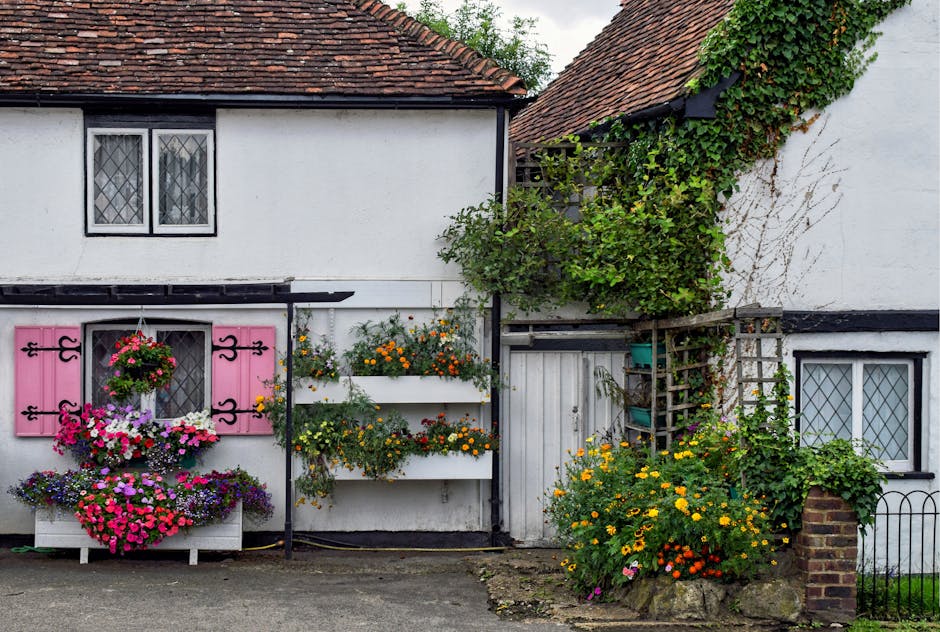
Gardeners for Kew Village cottages small garden solutions
Kew Village cottages often come with charm, character, and a garden that feels just a bit too small for all the ideas you have in your head. That is exactly where Gardeners for Kew Village cottages small garden solutions come in: practical, space-savvy design that makes every square metre work harder without losing the soft, lived-in feel that cottage gardens are loved for. Maybe your plot is narrow, shaded, overlooked, or simply awkward. Maybe you want more colour, more privacy, and less weekend maintenance. The good news is that small gardens can feel generous when they are planned properly.
In this guide, you will find a grounded, local approach to compact garden planning, planting, screening, storage, and low-effort upkeep. We will look at how to make a tiny outdoor space feel calmer, greener, and easier to live with, whether you want a little seating area, a better lawn, a productive herb corner, or a full refresh. Truth be told, small gardens can be brilliant once the right choices are made.
Table of Contents
- Why small-garden solutions matter in Kew Village
- How the process works
- Key benefits and practical advantages
- Who this is for and when it makes sense
- Step-by-step guidance
- Expert tips for better results
- Common mistakes to avoid
- Tools, resources and recommendations
- Law, compliance, standards, or best practice
- Options, methods, or comparison table
- Case study or real-world example
- Practical checklist
- Conclusion
- Frequently Asked Questions
Why Gardeners for Kew Village cottages small garden solutions Matters
Cottage gardens in Kew Village are rarely blank canvases. They are usually compact, with boundary walls, mature trees nearby, neighbouring windows, and a layout that has evolved over time. That sounds restrictive, but it also means there is huge potential if the design respects the bones of the space. A small garden is not asking for more plants, necessarily. It is asking for better structure.
Without a plan, these gardens can quickly become cluttered: a couple of pots here, a tired patch of lawn there, a fence line that feels bare, and a sitting area that never quite fits. You probably know the feeling. The garden should be a place to breathe, not a place that nags at you every time you look out of the back door.
Good small-garden solutions matter because they address the real issues cottage owners face: privacy, light, access, storage, drainage, seasonal colour, and maintenance. They also respect the period feel of the property. In Kew, where homes often have character and neighbours are close by, the aim is usually not to create a flashy makeover. It is to create a garden that feels calm, useful, and quietly beautiful.
Expert summary: the best results come from combining strong layout, restrained planting, and a few well-chosen features rather than trying to squeeze every trend into a tiny plot. Less can genuinely be more here. More often than not, it is.
How Gardeners for Kew Village cottages small garden solutions Works
The process usually starts with a simple question: what do you want the garden to do? That might sound obvious, but it is the step people skip. A tiny cottage garden can be a seating space, a retreat, a child-friendly play area, a herb patch, a wildlife-friendly pocket, or a mix of all of those. The answer changes the layout completely.
From there, a good gardener looks at sunlight, shade, wind exposure, soil condition, drainage, and privacy. Kew gardens often have mixed conditions in one small space: a bright rear border, a shady side path, a sheltered corner, and a boundary that gets all the breeze. In our experience, that patchwork of conditions is what makes the design interesting, but it also means each zone needs a different treatment.
The actual work usually falls into a few stages:
- Assessment: measure the garden, note awkward spots, and identify what must stay.
- Zoning: divide the garden into small, purposeful areas rather than one all-purpose box.
- Soil and surface improvements: refresh tired soil, improve drainage, tidy edges, and clear out weak features.
- Planting strategy: choose plants that suit the light, size, and upkeep level of the space.
- Feature placement: add seating, screening, storage, or vertical elements where they will not crowd the plot.
- Maintenance plan: set a realistic routine so the garden stays neat and enjoyable.
That last part matters more than people think. A small garden can look lovely for a month and then go sideways if it is impossible to maintain. So the process is not just about designing; it is about designing something you can live with. And enjoy.
If the garden needs a fuller reset, it can help to explore broader gardening services alongside targeted small-space improvements. For specialist pruning and boundary work, hedge trimming in Kew can also make a huge visual difference in a cottage garden that feels hemmed in.
Key Benefits and Practical Advantages
Small-garden solutions are not just about making things look tidy. They solve everyday problems that matter a lot in a cottage setting.
- Better use of space: compact gardens benefit from vertical planting, multi-purpose features, and narrow planting bands.
- More privacy: carefully placed hedges, climbers, and screens can soften overlooked boundaries without making the garden feel boxed in.
- Lower maintenance: once beds are structured properly, the garden needs less constant rescuing.
- Stronger year-round interest: by layering foliage, texture, and seasonal bloom, the garden keeps its character even in winter.
- Improved comfort: a well-planned seating nook can make the whole space feel bigger and more inviting.
- Better kerb appeal: cottage gardens often contribute a lot to the property's overall charm and first impression.
There is also a psychological benefit, which is easy to overlook. A small garden that feels ordered tends to be used more. You open the door, step out with a mug of tea, and suddenly the space becomes part of daily life rather than a chore waiting in the background.
For homeowners who want a gentler upkeep routine, it is worth reading about low-maintenance budget-friendly garden ideas and container gardening as a compact solution. Those ideas fit cottage plots beautifully when used with restraint.
Who This Is For and When It Makes Sense
This approach is ideal if your garden is small, narrow, shaded, uneven, or simply underperforming. It also makes sense if you have inherited a garden that feels a little chaotic and do not want a complete rebuild. Not every cottage garden needs paving ripped up or a fresh planting scheme from scratch. Sometimes it needs one decisive intervention and a better plan.
You may be a good fit for this type of work if:
- your garden is overlooked by neighbouring properties
- you want more usable seating space
- your plants are struggling because the layout is wrong
- you need easier upkeep because of work, family, or mobility needs
- you want to combine style with practicality
- the garden feels smaller than it should because of poor structure
It is also a smart choice if you are preparing to sell or let a cottage property. A neat, well-planned garden can make the whole home feel more cared for. Not bigger, obviously, but better. And that makes a difference.
For first-time gardeners, a bit of extra guidance can help avoid expensive missteps. The article on beginner gardening tips is a good place to start if the whole thing feels slightly overwhelming. It happens. Most people are not born knowing how much light a north-facing border gets in November.
Step-by-Step Guidance
Here is a practical way to approach a small cottage garden without making it more complicated than it needs to be.
1. Start with a brutally honest layout check
Walk the garden slowly. Notice where you actually stand, where you avoid, and what gets in the way. Is there a path that is too narrow? A border that is just a patch of weeds? A corner that never gets used? These details tell you where the problems are.
2. Decide the garden's main job
A small garden can do many things, but it should have one main purpose. If it is mainly for quiet sitting, then seating and screening take priority. If it is mainly for planting, then structure and bed depth matter more. If you try to make every section equally important, the space gets muddled very quickly.
3. Build height instead of clutter
Vertical elements create interest without stealing precious floor space. Think climbers, wall planters, trellis, slender obelisks, and narrow screens. This is one of the easiest ways to make a small plot feel layered. A wall can become a green feature instead of a blank backdrop.
The article on vertical gardening in minimal space is particularly useful here. Climbers also help soften shade and awkward corners, especially if you choose the right varieties. For a bit of inspiration, see cool and green climbers for shady nooks.
4. Create one calm seating spot
Do not try to fit in too much furniture. One compact bench, bistro set, or built-in perch is usually enough. Place it where the light is best and where it feels naturally protected from view or wind. A tiny seating area with a pot of herbs beside it often feels more luxurious than a crowded patio.
5. Choose plants for shape, not just flowers
Small gardens need foliage structure. Evergreen shapes, repeated leaf forms, and steady height variation create a more settled feel than a random burst of seasonal colour. Flowers should support the design, not carry the whole thing on their own.
6. Reduce lawn if it is not earning its keep
In a compact cottage garden, a small lawn can be lovely, but only if it is practical. If mowing around edges is annoying and the grass struggles in shade, consider shrinking it or replacing parts of it with planting, gravel, stepping stones, or hard-wearing ground cover. There is no rule that says every garden must have a big patch of turf. Luckily.
If the lawn is staying, sensible upkeep makes a difference. You may find the advice on weed management for lawns and lawn care helpful when refining the final plan.
7. Put maintenance on a schedule
Plan for pruning, feeding, deadheading, sweeping, and seasonal resets. A small garden looks best when small tasks are done often rather than huge tasks done late. That is the honest truth.
When a garden needs heavier care, garden maintenance can keep the design looking intentional instead of neglected. And if the patio has gone slippery or stained, patio cleaning may be the quickest way to make the whole space feel fresh again.
Expert Tips for Better Results
A few small choices can elevate a cottage garden dramatically. The trick is not to overdesign the place. Let it breathe a bit.
- Repeat three or four plants rather than using twenty different ones. Repetition calms the eye and makes a small area feel deliberate.
- Use pale or reflective hard landscaping carefully. Lighter surfaces can bounce light around, but too much can feel stark. Balance is key.
- Choose plants with interesting structure in winter. Hollow stems, seed heads, and evergreen foliage all earn their keep when flowers fade.
- Keep boundary treatments tidy. Even a brilliant planting scheme can look messy if the fence or hedge line is scruffy.
- Think about scent near the door or seating area. Herbs, wall-trained climbers, and compact shrubs can make the garden feel immersive without taking over.
- Use containers as movable punctuation marks. A single pot placed well is worth more than a row of random tubs. I know that sounds obvious, but people still do it all the time.
If you want to add a stronger sense of enclosure, but not a fortress-like feel, the right screening can help. The piece on fast-growing hedge solutions gives a good sense of how living boundaries can work in tighter plots. For formal shaping, hedge trimming shapes and techniques can help keep everything neat without making the garden feel clipped to death.
And if the garden gets battered by gusts between the houses, a little wind strategy goes a long way. The article on combating windy conditions in the garden space is a sensible companion read.
Common Mistakes to Avoid
Most small gardens fail for the same handful of reasons. The good news is they are all fixable.
- Trying to fit everything in. More features usually mean less comfort.
- Ignoring shade and microclimate. A plant that looks perfect in one border may fail completely two metres away.
- Using too many tiny containers. A few well-sized pots tend to look better than a dozen small ones scattered around.
- Overcomplicating the planting palette. Too many species can make a small space look busy in a bad way.
- Forgetting access for maintenance. If you cannot reach the back of a bed easily, it will become a headache.
- Leaving boundaries unresolved. Fences, hedges, walls, and screens are not background detail in small gardens. They shape the whole feeling of the place.
Another common issue is choosing a design that looks beautiful in photos but does not suit a cottage lifestyle. A garden with lots of narrow edging and high-maintenance planting can become stressful fast. It may look lovely in April and then sulk a bit by July. Better to be realistic from the start.
For older or forgotten plots, it can help to read about unveiling the potential of your neglected garden. Sometimes the best solution is not a replacement, but a careful rescue.
Tools, Resources and Recommendations
You do not need a shed full of equipment to improve a small garden, but the right tools make the work cleaner and less frustrating. A decent pair of secateurs, a hand fork, a pruning saw, a spade, a narrow hoe, and a lightweight watering can will cover a lot of ground.
The article on indispensable tools for every avid gardener is useful if you want to build a practical kit rather than buying random bits that live in a corner gathering dust.
Useful recommendations for cottage gardens:
- Climbers: for vertical softness and privacy.
- Ground cover: for filling awkward gaps and reducing weeding.
- Herbs: for scent, texture, and everyday usefulness.
- Compact shrubs: for year-round shape.
- Container plants: for flexibility and seasonal change.
For herb-focused corners, herb gardening advice can help you turn a spare sunny strip into something genuinely useful. If you have a shady cottage wall, the article on essential ground cover plants is also worth a look.
And if you are adding a more structured outdoor sitting area, take a moment to think about the flow around it. The guide to tranquil outdoor seating spaces gives practical ideas for creating a nook that feels tucked away rather than just parked in the corner.
Law, Compliance, Standards, or Best Practice
For most garden projects in a cottage setting, the main compliance concerns are straightforward: safe working practices, responsible waste handling, neighbour boundaries, and avoiding damage to protected trees or structures. If a project involves significant tree work, boundary changes, drainage alterations, or construction close to property lines, it is sensible to check what permissions or professional advice may be needed before work begins.
In the UK, good practice also means making sure materials are suitable for outdoor use, installations are stable, and any work near paths, steps, or access routes does not create trip hazards. That is especially relevant in small gardens where every surface gets used. A slightly uneven slab in a large garden may be an irritation. In a tight cottage plot, it can become the thing everyone trips over.
Health and safety matters too. Reputable gardeners should work carefully with tools, use sensible protective measures, and keep the site tidy. If you are comparing providers, look for clear information on insurance and safety, along with their health and safety policy. It is also fair to check how they handle payments, terms, and complaints, especially for more involved projects. Those are small details until suddenly they are not.
For broader trust signals, it can be reassuring to review terms and conditions, payment and security, and complaints procedure before booking. None of that is glamorous, obviously, but it helps set the right expectations.
Options, Methods, or Comparison Table
There is no single right way to improve a small cottage garden. The best option depends on space, budget, upkeep, and how you use the garden day to day.
| Method | Best for | Strengths | Possible drawback |
|---|---|---|---|
| Vertical planting | Very small or narrow gardens | Saves floor space, adds height, creates privacy | Can need more watering and support |
| Container gardening | Flexible, low-commitment updates | Movable, seasonal, good for renters or unsure layouts | Can look cluttered if overused |
| Structured borders | Gardens needing calm and order | Strong shape, easier maintenance, better planting flow | Needs decent planning up front |
| Ground cover planting | Shaded or awkward bare patches | Suppresses weeds, softens hard edges | Some varieties spread more than expected |
| Compact seating nook | Gardens used for relaxing | Makes the garden feel like a destination | Can reduce planting area if overscaled |
In practice, many of the best cottage gardens use a mix of methods. A vertical screen on one side, a few compact shrubs, a small seating area, and a bit of ground cover can work better than a single big intervention. It sounds simple because, often, it is.
If children or pets use the space, the method needs to be even more considered. The guidance on designing an enchanting garden for children, building a kid-friendly oasis, and dog-tolerant gardens can help you balance beauty with daily life.
Case Study or Real-World Example
Imagine a modest Kew Village cottage garden with a narrow rear plot, a patch of tired lawn, a fence that feels too exposed, and a damp side corner that nothing seemed to like. A homeowner wants somewhere to sit with coffee in the morning and also wants a bit more green, but not a big, expensive rebuild.
The first move is to stop treating the whole space as one rectangle. A slim seating area goes close to the house, with a compact bench and a couple of pots that carry scent. The lawn is reduced, not removed entirely, because a small strip still gives the garden breathing space. The side corner is planted with shade-tolerant ground cover and a climber trained up the fence, which softens the awkwardness instead of fighting it.
Next, the boundary gets attention. A neat hedge line or carefully chosen screen improves privacy without making the plot feel shut in. A few repeated plants are used along the border so the eye sees a rhythm, not a jumble. The result is not a grand transformation in the dramatic TV sense. It is subtler, and better for it. The garden feels as though it belongs to the cottage rather than competing with it.
That is usually the real win. The space becomes easier to use on a wet Tuesday, not just a sunny Saturday in June. And that matters more than most people expect.
Practical Checklist
Use this checklist if you are planning a small cottage garden refresh:
- Measure the available space properly
- Note sunny, shady, windy, and damp areas
- Decide the garden's main purpose
- Keep the planting palette simple and repeated
- Use height where floor space is limited
- Choose at least one privacy solution
- Allow room for easy access and maintenance
- Improve tired soil before heavy planting
- Check drainage and slippery surfaces
- Keep seating compact and well placed
- Choose features that suit the cottage style
- Plan how the garden will look in winter as well as summer
Quick reminder: if the garden already feels cramped, do not solve that by adding more things. Usually the opposite is better. Remove first, then shape.
For a little seasonal resilience, especially in exposed or changeable weather, the guides on severe weather protection and winter plant protection are useful additions to your planning.
Conclusion
Kew Village cottages have a special kind of garden potential. They may be small, but they are rarely dull. With the right structure, the right planting, and a practical eye for how the space is actually used, a compact garden can feel restful, elegant, and genuinely enjoyable day after day.
The best small-garden solutions are not about squeezing in more. They are about choosing better: better boundaries, better proportions, better planting, and better maintenance habits. Once that balance is right, even a modest cottage plot can feel far bigger than it is.
If you are ready to turn a tight, awkward, or overlooked space into something calmer and more usable, speak to a local team that understands cottage gardens, not just generic garden makeovers. A thoughtful plan now can save a lot of hassle later, and it can give you a garden you actually want to step into on a quiet morning.
Get a free quote today and see how much you can save.
Sometimes the smallest gardens end up holding the biggest everyday joys: a chair in the sun, a scent of herbs, a bit of privacy, and that lovely feeling that the space finally fits your life.
Frequently Asked Questions
What are the best small garden solutions for Kew Village cottages?
The best solutions usually combine vertical planting, compact seating, simple borders, and a few repeated plants. That mix creates order without making the garden feel crowded.
How can a tiny cottage garden feel bigger?
Use clear zoning, reduce clutter, add height, and keep the planting palette restrained. Mirrors and light surfaces can help in some spaces, but the real trick is a clean layout.
Are container gardens a good idea for cottage gardens?
Yes, especially when you want flexibility or are unsure about a permanent layout. Just avoid using too many small pots, because they can make the area feel busy.
What plants work well in shaded cottage gardens?
Shade-tolerant climbers, leafy ground cover, and textured evergreen plants are usually the safest bet. The key is choosing plants that suit the light instead of fighting it.
Can I still have a lawn in a small garden?
Absolutely, but only if the lawn is earning its keep. In a compact space, a small lawn can work well if mowing and edging are manageable.
How do I improve privacy without making the garden feel boxed in?
Use layered screening rather than one solid barrier. Climbers, hedging, and slim panels tend to feel softer than a heavy fence line on its own.
What is the biggest mistake people make with small gardens?
Trying to include too many features. A small garden usually looks and feels better when it has fewer, better-chosen elements.
How often should a small cottage garden be maintained?
Small gardens usually benefit from little-and-often maintenance. A short weekly tidy is often more effective than an occasional big rescue mission.
Is professional help worth it for a small garden?
Often, yes. Small spaces can be harder to design well than larger ones because every decision is visible, so professional planning can save time, money, and frustration.
Do I need planning permission for garden changes?
Most routine planting and maintenance does not need permission, but structural changes, major tree work, or boundary alterations may need more careful checking. If in doubt, get advice before starting.
What should I ask before hiring a gardener for a cottage garden project?
Ask about their experience with small spaces, their approach to maintenance, and how they handle safety, insurance, and pricing. It is also sensible to ask how they will make the garden easy to live with after the work is done.
How do I start if my garden is neglected and I feel overwhelmed?
Start with a simple clear-out, then identify the one part of the space that would make the biggest difference if improved first. The article on neglected gardens is a useful reminder that even tired plots can be revived step by step.