
 020 3744 3778
Mastering the Art of Herb Gardening
Posted on 05/09/2025
Mastering the Art of Herb Gardening: A Complete Guide to Thriving Herb Gardens
Herb gardening has enchanted people for centuries with the allure of fresh flavors, unique aromas, and medicinal properties. If you're eager to grow your own thriving herb garden and become an expert in herb cultivation, this comprehensive guide is designed for you. Here, you'll discover everything you need to know about mastering the art of herb gardening--from selecting the right herbs and preparing soil, to troubleshooting common problems and harvesting lush, healthy plants.
Why Master Herb Gardening?
Learning to grow your own herbs offers multiple benefits beyond the obvious economic edge. Herb gardening at home enables you to:
- Access fresh flavors at your fingertips.
- Enhance your health with nutrient-rich, chemical-free herbs.
- Enjoy aromatherapy and therapeutic gardening experiences.
- Reduce your carbon footprint by minimizing food miles and packaging waste.
- Transform your indoor and outdoor spaces with lush, fragrant greenery.
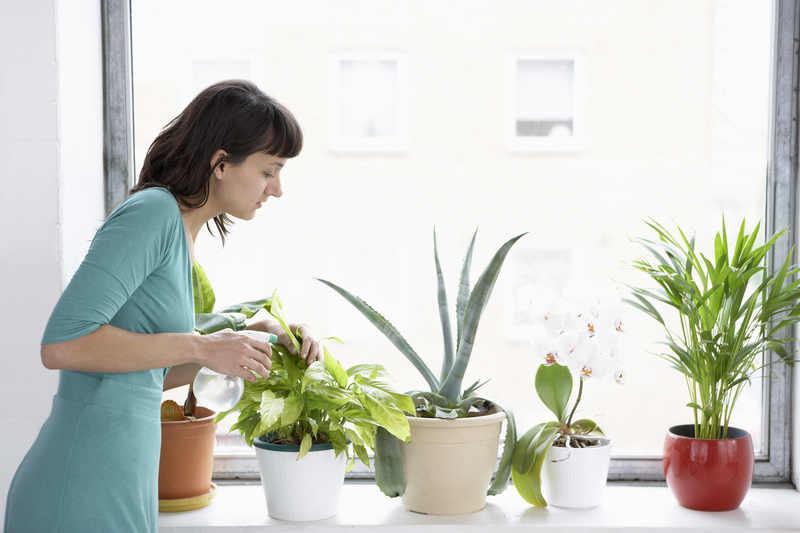
Whether you envision a kitchen windowsill garden or a lush backyard oasis, herb gardening gives you control and creative freedom to design a garden that meets your culinary and wellness needs.
Choosing the Right Herbs for Your Garden
Before planting, it's vital to choose herbs suited to your climate, sunlight availability, and culinary preferences. Some popular culinary herbs for home gardens include:
- Basil (sweet, Thai, lemon, purple varieties)
- Mint (peppermint, spearmint, chocolate mint, etc.)
- Parsley (curly and flat-leaf/Italian)
- Rosemary
- Thyme (lemon, common, creeping, and French)
- Chives and garlic chives
- Cilantro (also known as coriander, with edible seeds)
- Dill
- Sage
- Oregano
- Lemongrass
*Tip: For medicinal herb gardening, consider echinacea, lavender, calendula, chamomile, or lemon balm.*
Considerations for Selection
- Sunlight: Most herbs thrive in full sunlight, requiring at least 6 hours per day.
- Climate: Some, like rosemary and thyme, prefer dry, hot conditions; while others--like parsley and cilantro--do better in cooler weather.
- Usage: Think about your favorite cuisines and dishes. Grow herbs you'll enjoy eating or using in tea.
- Space: Smaller spaces may suit compact or container-friendly varieties like basil and chives.
Planning and Designing Your Herb Garden
A well-designed herb garden not only looks attractive but also guarantees healthy, vigorous plants. Consider these elements as you plan:
Garden Location
- Sunlight Access: Choose a location with 6-8 hours of direct sunlight.
- Water Source: Ensure your herbs are near a water source for easy watering.
- Convenience: Place your herb garden near the kitchen for quick harvesting while cooking.
Soil Preparation
- Well-Draining Soil: Herbs dislike soggy roots. Amend heavy clay soils with compost or sand.
- Fertility: Most herbs thrive in moderately fertile soil. High-nutrient soils can result in lush foliage but less intense flavors.
- pH Level: Aim for a neutral to slightly alkaline pH (6.0-7.5) for most common herbs.
Design Variations
- Traditional Rows: Useful for large gardens or dedicated herb beds.
- Spiral Herb Gardens: Raised, spiral-shaped beds that maximize space and create microclimates.
- Container Herb Gardens: Ideal for patios, balconies, or indoors on sunny windowsills.
- Companion Planting: Interplant herbs with vegetables or flowers to benefit both groups.
Starting Your Herb Garden: Seeds vs. Seedlings
You can start your herb garden using seeds, transplants, or cuttings. Each method has unique advantages:
- Seeds: Economical, allows for greater variety. Some herbs--like basil or dill--germinate quickly, while others (rosemary, lavender) require more patience.
- Seedlings: Faster results and higher success rate, ideal for beginners. Easily found at garden centers in spring.
- Cuttings: Propagate from existing plants. Great for mint, oregano, and rosemary.
Tip: Start seeds indoors 6-8 weeks before your last frost date for a head start.
Herb Garden Layout and Planting Tips
Spacing and Arrangement
- Space for Growth: Allow 8-12 inches between small herbs (like basil or chives) and 18-24 inches for larger ones (like sage or rosemary).
- Height Placement: Place taller herbs in the back or center, and shorter ones at the edges for easy access and sunlight.
- Containers: Choose pots at least 6-8 inches deep. Ensure good drainage holes.
Companion Planting: Pairing Herbs for Success
Some herbs grow better together, while others compete or inhibit each other's growth. Master herb garden pairing with these guidelines:
- Basil: Plant near tomatoes and peppers for flavor and pest deterrence.
- Chives: Great companion for carrots and roses; repels aphids.
- Mints: Can be invasive--keep in containers and away from other herbs.
- Parsley: Grows well with tomatoes, asparagus, and roses. Avoid planting near mint.
- Sage, rosemary, and thyme: Thrive in similar dry soil, making great partners.
Caring for Herbs: Watering, Feeding, and Pruning
Watering Your Herb Garden
- Consistent Moisture: Herbs prefer even moisture, but roots shouldn't be soaked.
- Morning Watering: Best time to water is early morning for reduced evaporation.
- Check Soil: Strive for damp, but not wet, soil about an inch below the surface.
Feeding and Fertilizing Your Herbs
- Compost: Enrich planting beds with organic compost every spring.
- Avoid Overfeeding: Heavy nitrogen fertilizers can diminish essential oils, reducing flavor intensity.
- Liquid Seaweed or Fish Emulsion: Apply to heavy-feeding herbs once per month in active growth.
Pruning and Harvesting
- Pinch and Prune: Regular pinching back of stems encourages bushier, more productive plants.
- Harvesting: Take up to one-third of the plant at a time. Avoid stripping a single branch completely.
- Time of Day: Harvest in the morning after dew dries but before midday heat for best flavor and oil concentration.
Growing Herbs Indoors vs. Outdoors
Indoor Herb Gardening
Indoor herb gardening is perfect for city dwellers, apartment residents, and anyone in climates with harsh winters. Here's how to succeed:
- Lighting: Place pots on a sunny south-facing windowsill or use LED grow lights.
- Containers: Make sure pots have drainage holes. Use lightweight, rich potting mix.
- Humidity: Keep air moist with trays of water or a room humidifier, especially during winter.
- Rotate Plants: Give each side of the plant regular exposure to light for even growth.
Outdoor Herb Gardening
- Choose Well-Drained Sites: Raised beds or mounded rows minimize waterlogging.
- Watch for Frost: Some tender herbs like basil or cilantro suffer in cold. Grow as annuals or bring indoors in fall.
- Mulch: Use organic mulch to retain moisture and suppress weeds.
Pest and Disease Management in Herb Gardens
Common Pests
- Aphids, spider mites, and whiteflies: Spray with a strong water jet or use insecticidal soap.
- Slugs and Snails: Use crushed eggshells, diatomaceous earth, or hand-pick at dusk.
- Caterpillars: Remove by hand or try Bacillus thuringiensis (Bt) sprays.
Disease Prevention
- Airflow: Space plants adequately to reduce fungal diseases.
- Avoid Overhead Watering: Wet leaves encourage diseases like powdery mildew and root rot.
- Crop Rotation: Change the location of annual herbs each year to prevent soilborne disease buildup.
Extending the Herb Harvest: Preservation Techniques
Seasoned herb gardeners understand the value of savoring the harvest year-round. Try these top preservation tips:
- Drying: Hang bunches in a dark, well-ventilated room or use a dehydrator. Store in airtight containers.
- Freezing: Chop herbs and freeze in ice cube trays with water or olive oil for instant seasoning additions.
- Herb Butters and Pestos: Blend fresh herbs with butter or olive oil and freeze in small amounts.
- Vinegars and Oils: Infuse vinegar or oil with herbs to intensify flavor for months.
Unique and Advanced Herb Gardening Techniques
Herb Spirals and Vertical Gardens
- Spirals: Create dramatic, space-saving spirals using rocks or bricks. These offer diverse conditions--wetter at the base, dryer up top.
- Vertical Gardens: Perfect for tight spaces and urban living. Use wall planters, stacked pots, or pocket panels.
Companion Planting with Vegetables and Flowers
- Pollinators: Flowering herbs (like dill, cilantro, or chive blossoms) attract bees and butterflies.
- Pest Control: Strongly-scented herbs such as basil, rosemary, or lavender can deter unwanted insects from vegetable beds.
Common Challenges and Solutions in Herb Gardening
- Leggy Growth: Insufficient light. Move to brighter area or supplement with grow lights.
- Yellow Leaves: Overwatering or poor drainage. Let soil dry out between watering.
- Herbs Bolting (Flowering Prematurely): Harvest more often and provide adequate moisture. Select bolt-resistant varieties where possible.
Mastering Culinary Herb Uses: From Garden to Table
- Fresh Use: Snip fresh leaves into salads, sauces, marinades, and beverages.
- Cooking: Add hearty herbs (rosemary, thyme) early in cooking, and more delicate ones (basil, chives) at the end for peak flavor.
- Infusions: Brew herbal teas and infuse oils for medicinal and culinary uses.
- Garnishes and Decorations: Add vibrant color and fragrance to dishes and drinks.
Experiment with your harvest to create custom spice blends, herbed salts, and vinaigrettes for gourmet results.
Conclusion: Cultivate Confidence by Mastering Herb Gardening Techniques
Mastering the art of herb gardening is a rewarding and enjoyable pursuit, blending horticultural knowledge, practical skills, and creative inspiration. By following the steps and tips in this comprehensive guide, you'll enjoy flourishing herb gardens year after year. From the convenience of snipping basil from your windowsill to savoring dried lavender in winter, herb gardening empowers you to personalize your culinary and wellness experiences with nature's freshest flavors.
Ready to start your journey toward becoming a herb gardening master? Begin today, nurture your green thumb, and transform your space into a lush, aromatic haven!
Latest Posts
Combating Windy Conditions in the Garden Space
Revamp Your Lawn with 3 Weed Management Tips
Uncover the art of Zen gardening for a peaceful retreat