
 020 3744 3778
Unleashing Fun and Flora in a Dog-Tolerant Garden
Posted on 13/09/2025
Unleashing Fun and Flora in a Dog-Tolerant Garden
There's nothing quite like watching your furry friend frolic amidst a sea of greenery. For many pet owners, blending the joys of gardening with the companionship of a loyal canine is a dream come true. But is it possible to cultivate a lush landscape without compromising your pup's happiness or safety? Welcome to the world of dog-tolerant gardens--a harmonious haven where fun and flora thrive together.
Understanding the Dog-Friendly Garden Concept
Creating a dog-tolerant garden isn't just about planting resilient shrubs and tough turf. It's about thoughtfully designing an outdoor space where both pets and plants can coexist in harmony. This approach goes beyond basic landscaping: it prioritizes pet safety, enriched sensory experiences, and sustainable practices. Ultimately, the goal is to craft an environment that's as engaging for your four-legged companion as it is beautiful for you.
Benefits of a Dog-Tolerant Garden
- Pet Safety: Eliminates toxic plants and hazardous materials.
- Entertainment: Offers stimulating features for mental and physical exercise.
- Low Maintenance: Utilizes sturdy, dog-proof flora and durable surfaces.
- Sustainability: Encourages healthy soil, native plants, and eco-friendly choices.
- Bonding: Provides a shared space for owners and pets to relax and play.
Planning a Dog-Tolerant Garden: Essential Considerations
Before you fill your cart with new plants, take time to assess your dog's habits and the layout of your garden:
- Size and Energy Level: Does your dog love to run laps or prefer to lounge in the sun?
- Sensory Interests: Does your pup dig, sniff, or chew?
- Existing Hazards: Identify potential threats like sharp tools, harmful chemicals, or escape-prone boundaries.
Knowing these factors will help you create a tailored, dog-tolerant landscape designed for lasting fun and flora.
Fencing and Boundaries: Safe Spaces for Paws and Plants
A resilient fence is essential for a pet-tolerant garden. Opt for sturdy materials, such as wood panels or welded metal, and check for secure latches. For smaller breeds, make sure gaps are narrow; for larger, jumpy dogs, consider a fence that's at least 1.5 meters high. In addition to perimeter fencing, internal barriers protect delicate beds and new seedlings from playful paws.
Selecting Dog-Tolerant Plants: Happy, Hardy, and Non-Toxic Choices
Non-Toxic Plants for a Safe, Dog-Friendly Garden
Some popular plants can be harmful to curious canines. To ensure a safe space, focus on non-toxic plants that tolerate canine activity and occasional nibbling. Here's a list of safe flora for playful pups:
- Sunflowers (Helianthus annuus): Hardy and cheerful, withstand tail-wags.
- Snapdragons (Antirrhinum majus): Pet-safe, vibrant, and gentle on paws.
- Marigolds (Tagetes): Not only non-toxic, but deter fleas.
- Rosemary (Rosmarinus officinalis): Aromatic, edible, and robust.
- Fuchsias: Colorful flowers, no threat to pets.
- Camellias: Elegant blooms and safe for sniffing.
- Pineapple Sage (Salvia elegans): Hardy, fragrant, and safe.
- Creeping Thyme: A durable, drought-tolerant ground cover for frolicking dogs.
Plants to Avoid in a Dog-Tolerant Landscape
Avoid the following common garden plants that are toxic to dogs:
- Oleander
- Azalea
- Foxglove
- Lilies
- Sago Palm
- Rhododendron
- Hydrangea
Always research any new species before introducing it into your dog-friendly garden oasis.
Tough and Durable Ground Covers
- Clover (Trifolium): Soft, low-growing, and withstands trampling.
- Bermuda Grass: Perfect for high-traffic dog paths.
- Buffalo Grass: Drought-resistant and resilient.
- Irish Moss: Lush, walkable patches for smaller paws.
Designing for Fun: Play Zones, Paths, and Hideaways
A truly engaging canine-tolerant garden is more than just hardy plants--it's about interactive zones that encourage healthy activity and exploration.
Canine Play Areas: Let the Fun Begin!
- Sand or Digging Pits: Designate a corner with loose substrate for instinctive digging.
- Agility Tunnels and Obstacles: Add lightweight hoops, tunnels, or ramps for exercise and fun.
- Shade Structures: Plant trees or install pergolas for cooling off after play.
- Open Lawns: Reserve a soft, resilient patch for ball games and free running.
Dog Paths: Guiding Adventure
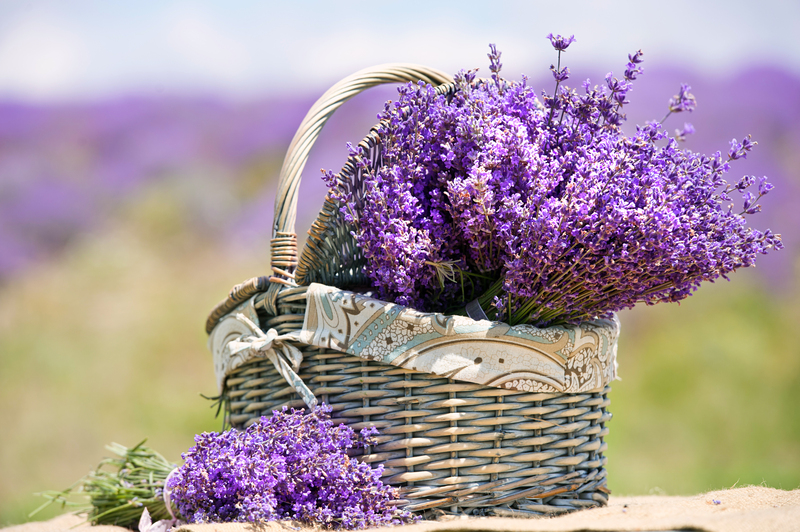
Dogs love to patrol their 'territory'. Lay out winding dog paths--mulched, stoned, or gravel--to guide them around the space and minimize wear on prized flower beds. Plant sturdy borders like lavender or boxwood to delineate canine walkways.
Secret Spots and Hideaways
Dogs appreciate privacy and cool corners to sneak away to on warm days. Plant thickets of shrubs or use decorative trellises to form shady hideouts, perfect for a midday nap or break from garden excitement.
Garden Maintenance in a Dog-Tolerant Landscape: Tips and Tricks
- Clean Up Promptly: Remove pet waste to prevent plant damage and odors.
- Mulch Wisely: Opt for pet-safe mulches like cedar or coconut--avoid cocoa mulch (toxic to dogs).
- Water Efficiently: Dogs may disrupt delicate irrigation. Use drip hoses or concealed systems.
- Repair Routinely: Address dug-up patches and trampled plants as needed.
- Fence Off Fragile Beds: Use decorative barriers while new plants establish.
- Rotate Toys: Keep outdoor toys fresh to entice your dog away from chewing on garden plants.
Natural Pesky Pest Control
Pest control in a dog-tolerant garden space demands extra care. Avoid harsh chemicals; instead, use pet-safe pest repellents such as:
- Neem oil spray (safe once dry)
- Diatomaceous earth (food grade)
- Companion planting with marigolds and basil
- Encouraging beneficial insects (ladybugs, lacewings)
The Aesthetics: Blending Beauty and Practicality
Color, Texture, and Fragrance
A pet-tolerant landscape can be every bit as attractive as a conventional flower garden. Mix leafy textures, bold colors, and fragrant plants to please both humans and hounds.
- Use ornamental grasses for movement and interest.
- Mix perennial borders with dog-proof foliage for year-round beauty.
- Plant herbs like sage and thyme to delight your dog's sense of smell and add flavor to your kitchen.
Garden Features with Furry Friends in Mind
- Water Features: Install a shallow fountain or pond for safe cooling and playful splashing.
- Decorative Boulders: Provide textured climbing surfaces or resting spots.
- Solar Lights: Mark pathways to keep nighttime walks safe and magical.
- Garden Seating: Choose durable benches or outdoor sofas where both you and your pet can relax together.
Dealing with Common Dog-Related Garden Challenges
Solving the Digging Dilemma
Digging is a natural canine instinct. Rather than forbidding it outright, channel your dog's urge by designating a special digging area and rewarding use. Plant hard-wearing ground covers elsewhere to disguise small holes and minor disturbances.
Preventing Urine Spots
Dog urine can scorch lawns. To prevent yellow patches, opt for urine-tolerant grasses and train your dog to use a particular corner. Frequent watering, gypsum applications, and regular cleanup help minimize unsightly damage.
Chewing and Nibbling
Puppies, especially, are notorious for munching on everything within reach. Provide plenty of safe chew toys and avoid plants with enticing (but toxic) berries or sap. Use bitter-tasting natural deterrents if needed.
Year-Round Fun and Flora: Seasonal Inspiration
Spring
- Freshen up mulch and repair winter damage.
- Plant durable perennials and sow clover for lush lawns.
- Plant early-blooming, pet-safe flowers like crocus and pansies.
Summer
- Install shade sails or leave grass longer for coolness.
- Keep water bowls full--consider installing a doggy splash pad or pool.
- Rotate garden toys and refresh sensory plantings.
Autumn
- Rake leaves frequently to reduce hiding spots for ticks and pests.
- Divide hardy ground covers and reseed worn areas.
- Transition to low-maintenance, evergreen plants for winter interest.
Winter
- Protect tender plants with temporary fencing if your dog's zoomies get extra vigorous!
- Check paw-safe de-icers for icy paths.
- Provide windbreaks or outdoor shelters for pets who love the cold.
Case Studies: Inspiring Dog-Tolerant Gardens
The Active Agility Yard
In a suburban garden, the owners installed a secure cedar fence, winding bark trails, and a custom agility course among raised, dog-proof planters. Hardy thyme and ornamental grasses softened the space, while sand pits and shaded benches ensured both dog and human comfort.
The Sensory Cottage Garden
This compact plot utilized fragrant herbs, non-toxic annuals, and a bubbling water feature. Strategic fencing kept prize roses safe but allowed pups to explore lush, interactive paths bordered by chamomile and calendula.
The Urban Balcony Oasis
In a small city flat, a synthetic turf patch, raised vegetable beds, and a dog-safe mini pond provided all-season interest and engagement for an energetic terrier.
Expert Advice: Dog and Garden Harmony
According to landscape designers, the key to a successful dog-tolerant garden is flexibility. "Don't expect perfection from either your plants or your pup," says garden expert Jane Holbrook. "Choose hardy, non-toxic greenery, involve your pet in the outdoors, and adapt your approach as seasons and behaviors change."
Veterinary professionals emphasize the importance of supervision and regular play to curb destructive habits. Encourage positive behaviors with interactive toys, training, and plenty of praise.
Conclusion: Celebrate Life with a Dog-Tolerant Garden
Combining fun and flora in a dog-tolerant garden is about more than just compromise--it's about enhancing life for both human and dog in a shared outdoor adventure. With mindful plant choices, thoughtful design, and a spirit of playfulness, you can create an oasis that's safe, sustainable, and joy-filled for every member of your household. Unleash the potential of your yard and watch your garden--and your best friend--thrive!
Latest Posts
Combating Windy Conditions in the Garden Space
Revamp Your Lawn with 3 Weed Management Tips
Uncover the art of Zen gardening for a peaceful retreat